
A home begins to feel personal when every room reflects the rhythms, memories and small comforts of the people living within it.
Define what comfort means to you
Comfort is deeply individual. For one family it may mean a lively kitchen where everyone gathers; for another, it is a quiet window seat away from the busiest parts of the house. Begin by noticing which daily moments you value and which parts of your current space make them difficult.
These observations are more useful than following a fixed style. They reveal where seating should encourage conversation, which rooms need calm, and how much openness or separation feels right. A home shaped around genuine habits naturally feels more welcoming.
Build warmth through material and texture
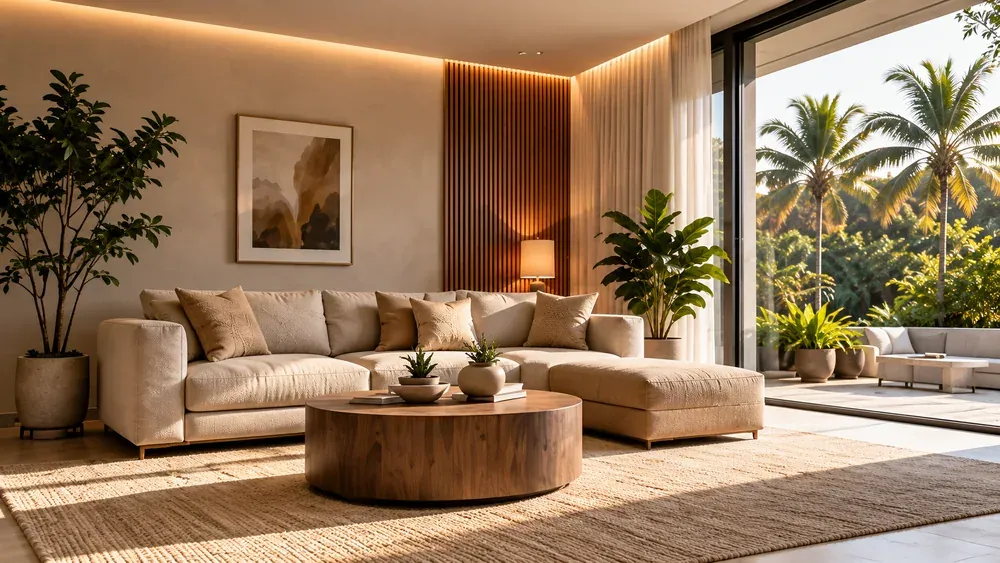
Rooms gain depth when smooth, soft and tactile surfaces are balanced thoughtfully. Natural timber, woven fabrics, muted stone and handmade objects can soften clean architectural lines without making a space feel crowded.
Choose a restrained material family and repeat it in subtle ways from room to room. Variation can then come through grain, weave and finish. This creates continuity while allowing each area to develop its own mood.
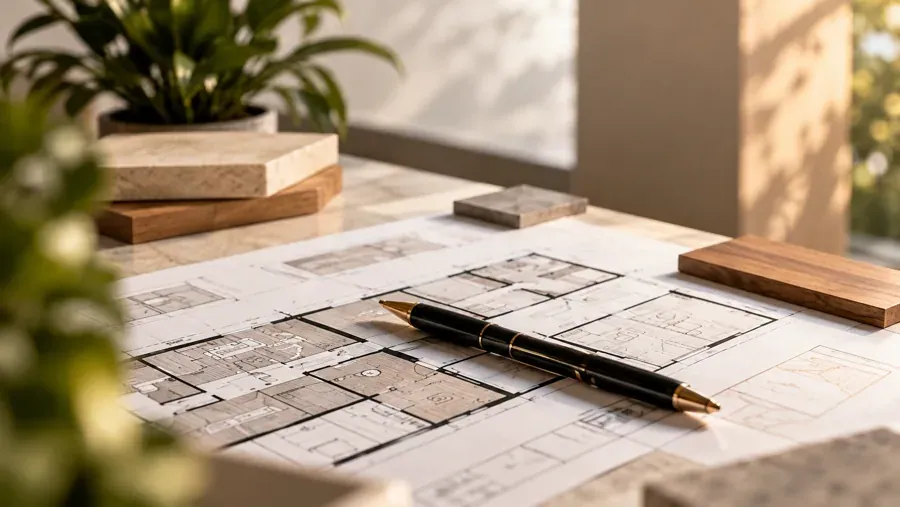
Let movement shape the plan
Good spatial flow is almost invisible. Doors open without colliding, furniture does not interrupt natural pathways, and the journey from entrance to living area feels clear. These practical decisions contribute as much to a sense of ease as colour or decoration.
Consider views along those routes too. A framed artwork, a glimpse of greenery or a pool of daylight can make movement through the home feel intentional. Even transitional spaces deserve attention because they connect the moments of everyday life.
Give personal stories room to breathe
Meaningful interiors leave space for the objects that carry a family’s story. Photographs, books, collected pieces and inherited furniture add character that cannot be reproduced by a showroom arrangement.
Rather than displaying everything at once, create a few considered focal points. Built-in ledges, open shelving and softly lit niches can celebrate personal pieces while keeping the overall atmosphere calm and composed.
Design for all the senses
The feeling of home is influenced by more than appearance. Gentle lighting at different heights, fabrics that soften sound and natural ventilation can change how relaxed a room feels throughout the day.
Plan several layers of light instead of relying on one bright source. Add quiet corners and surfaces that are pleasant to touch. When these sensory details work together, an interior feels warm not only in photographs, but in daily use.
“A welcoming interior does not ask to be admired; it invites you to belong.”The HK Group design philosophy
Make every room feel like yours.
Share your ideas with our interior design team and create a home grounded in comfort, character and you.
Design your interiors with us