
Sustainable design is not a single feature added at the end. It is a sequence of thoughtful decisions that begins with the site and continues through the life of the building.
Work with the site, not against it
Every plot already has a pattern of sun, wind, shade, water and vegetation. Studying these conditions before fixing the plan can reveal where a building should sit, which existing trees can be retained and how outdoor spaces can remain comfortable for longer periods.
A well-positioned home can receive useful winter light while protecting its interiors from harsh summer sun. Preserving natural drainage routes and reducing unnecessary excavation also lowers disruption during construction.
Prioritise passive comfort
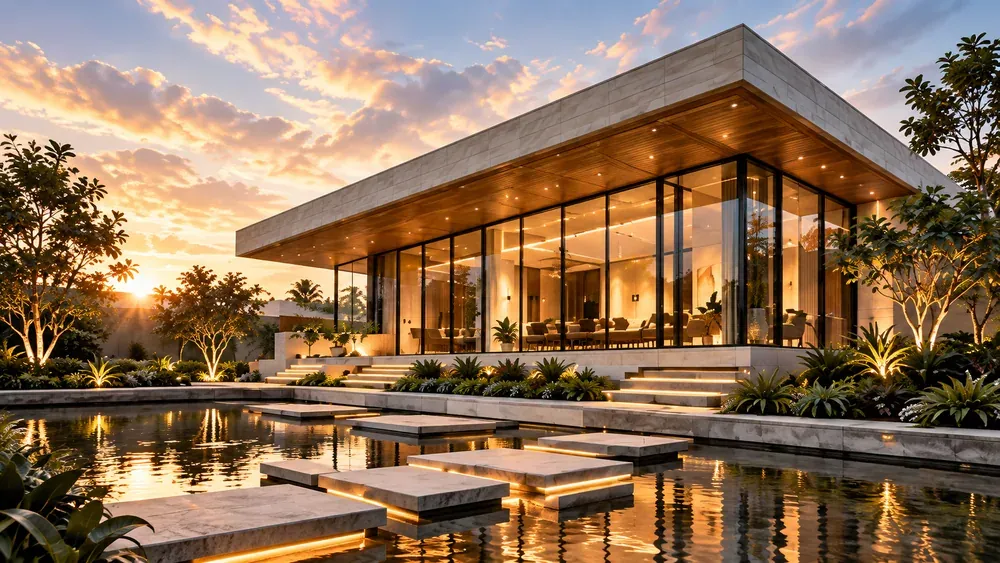
Orientation, shading and ventilation can reduce the need for mechanical cooling and artificial light. Deep overhangs, screened openings and shaded courtyards respond to heat before energy-consuming systems are asked to compensate for it.
Room depth and window placement matter as much as window size. When openings are planned to move air across occupied areas, daylight and ventilation become part of the architecture rather than an afterthought.
Specify materials with a wider view
A material’s impact includes how it is sourced, transported, installed, maintained and eventually reused or discarded. Local products and responsibly sourced materials can shorten supply chains while supporting regional skills and economies.
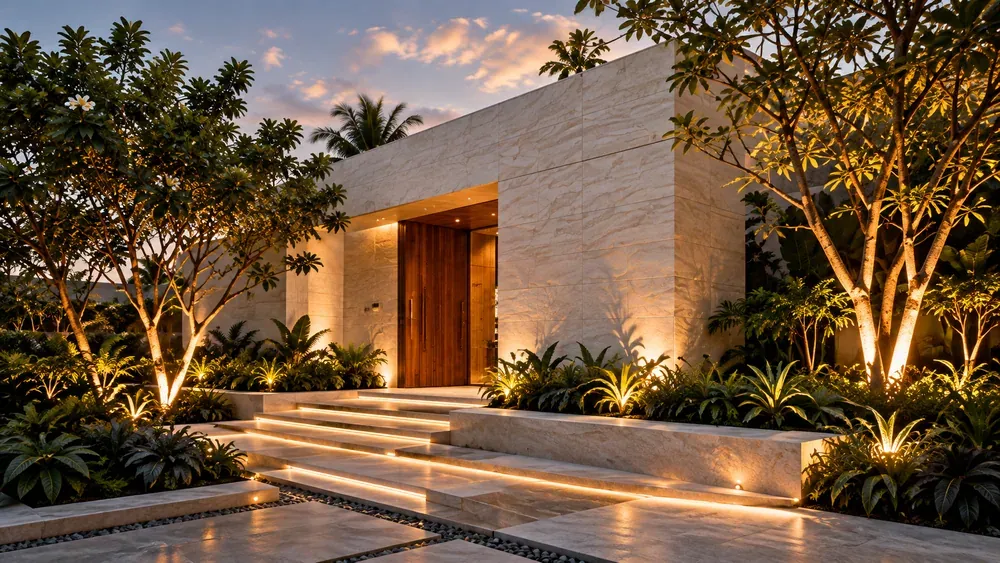
Durability is equally important. Finishes that withstand the local climate and can be repaired in parts avoid premature replacement. Honest, robust materials often develop character with age instead of quickly looking worn.
Treat water as a shared resource
Low-flow fixtures are a useful start, but the building and landscape can do more together. Rainwater collection, permeable paving and carefully graded ground help manage rainfall near where it lands.
Planting suited to local conditions generally needs less irrigation and offers better habitat than a water-intensive ornamental scheme. Where regulations and site conditions permit, treated greywater can support selected landscape uses.
Plan to measure, maintain and adapt
Efficient equipment performs best when occupants can understand and manage it. Simple controls, accessible meters and clear maintenance routes make responsible operation easier long after handover.
Allowing space for future solar panels, battery storage or changing household needs can prevent wasteful alterations later. The most resilient building is one that remains useful, repairable and adaptable over a long life.
“The greenest design choice is often the one that stays useful for the longest time.”The HK Group design philosophy
Build with tomorrow in mind.
Speak with our team about a climate-conscious design that balances comfort, responsibility and lasting quality.
Plan a sustainable project